Author: PhoenixMC

  • Intimate Changes After Childbirth Many Women Never Talk About

    Intimate Changes After Childbirth Many Women Never Talk About

    Childbirth changes a woman in many extraordinary ways.

    Yet while so much attention is placed on pregnancy, birth and caring for a new baby, far fewer conversations focus on the intimate physical changes many women quietly experience afterwards.

    For some women, things simply do not feel quite the same.

    There may be increasing discomfort, reduced confidence, bladder weakness, irritation, changes during intimacy, or a feeling that their body has changed in ways they were never prepared for.

    And perhaps most surprisingly of all — many women never openly discuss it.

    Instead, they adapt quietly.

    They assume these changes are simply part of motherhood, something to accept, tolerate and move on from.

    But modern women’s health medicine is changing that.

    At Phoenix Women’s Health, we are seeing growing numbers of women discovering that they no longer need to silently live with symptoms affecting their comfort, confidence and quality of life after childbirth.


    Why Do These Changes Happen After Childbirth?

    Pregnancy and childbirth place enormous strain on intimate tissues, muscles and supportive structures within the body.

    Even after healing, many women notice changes such as:

    • reduced tissue elasticity,
    • dryness or irritation,
    • bladder weakness,
    • discomfort during intimacy,
    • reduced sensation,
    • or simply a feeling that their body no longer feels the same as before.

    Hormonal changes after pregnancy and breastfeeding can also affect tissue hydration, collagen production and intimate comfort.

    These experiences are far more common than many women realise.

    Yet many women feel embarrassed discussing them — even with healthcare professionals.


    “I Thought This Was Just Something I Had To Live With”

    This is one of the most common things women tell us during consultations.

    Many have spent months or even years quietly adapting:

    • avoiding certain activities,
    • losing confidence,
    • accepting discomfort,
    • or believing there were no real non-surgical solutions available.

    Some women have tried creams, exercises or other approaches with limited success.

    Others simply stopped prioritising themselves altogether while focusing on family life and motherhood.

    But, intimate wellbeing is still wellbeing.

    Feeling comfortable in your own body still matters.

    Confidence still matters.

    Quality of life still matters.


    Modern Regenerative Gynaecology Is Changing Women’s Health

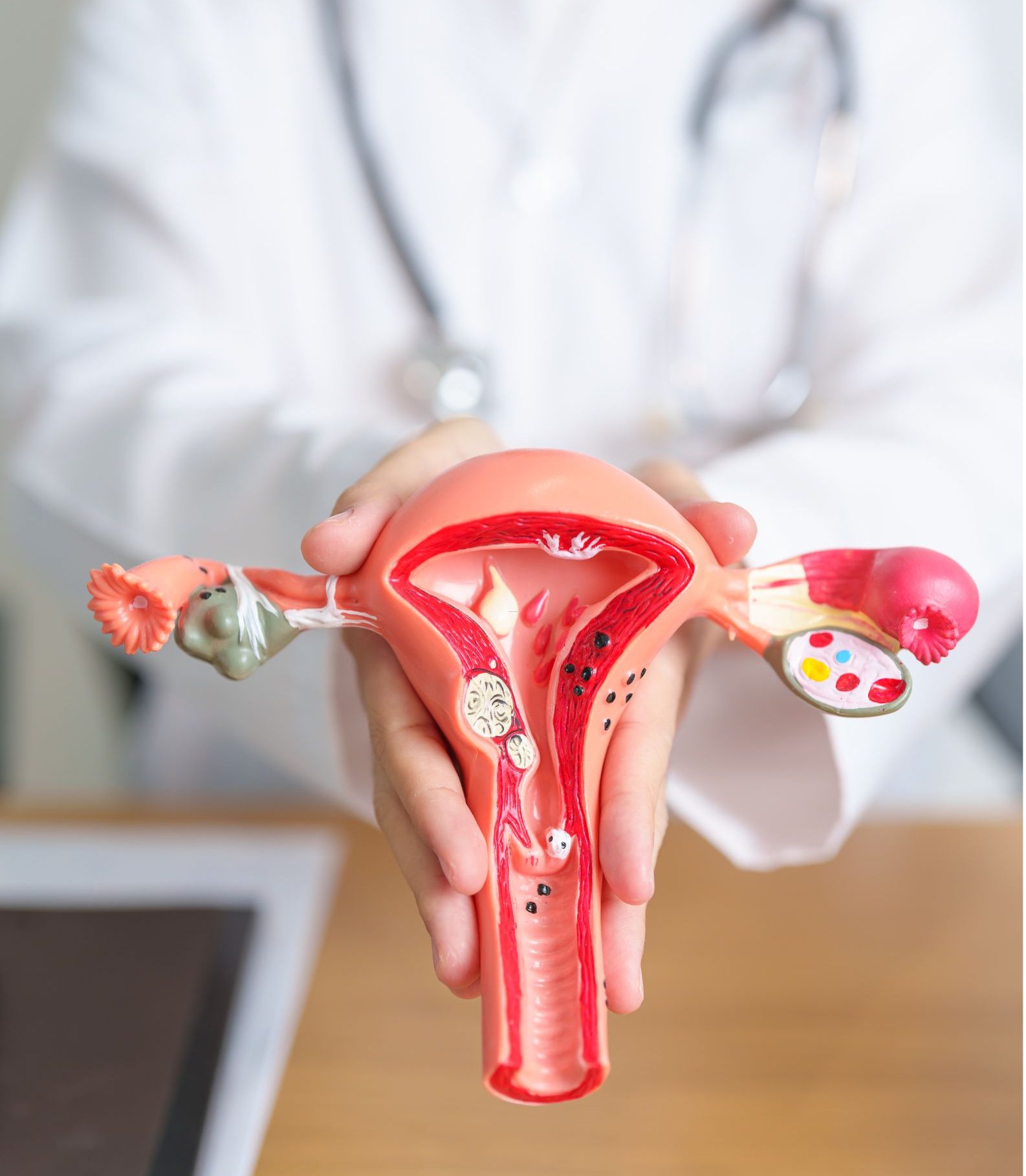
    One of the most exciting developments in modern women’s health is the emergence of regenerative gynaecology — advanced non-surgical treatments designed to support tissue health, hydration, elasticity and comfort.

    At Phoenix Women’s Health – Advanced Regenerative Gynaecology, we offer advanced CO2 laser treatments in a discreet, consultant-led medical environment.

    These modern regenerative treatments are designed to stimulate natural tissue regeneration and collagen renewal, helping support intimate tissue health from within.

    Women often seek treatment for concerns including:

    • post-childbirth intimate discomfort,
    • reduced confidence,
    • bladder weakness,
    • vaginal dryness or irritation,
    • tissue laxity,
    • changes affecting intimacy and day-to-day comfort.

    Many women are surprised not only by the treatment itself — which is non-surgical and typically very well tolerated — but by how significantly these treatments can improve comfort, confidence and quality of life.


    Why Women Increasingly Choose Non-Surgical Treatments

    Many women today are looking for treatments that feel:

    • discreet,
    • medically credible,
    • low downtime,
    • non-surgical,
    • and focused on genuine wellbeing rather than cosmetic trends.

    This is why regenerative gynaecology is becoming increasingly sought after.

    Rather than masking symptoms temporarily, modern regenerative treatments aim to support the health and function of intimate tissues more naturally.

    For many women, treatment is performed as a course over a few sessions (each women is different so amount of sessions is very individual), allowing gradual tissue regeneration and progressive improvement over time. Changes are visible after first sessions already though.

    Importantly, treatment plans are always personalised during consultation depending on symptoms, medical history and individual goals.

    If you feel like laying more about what can actually be done using Regenerative CO₂ Laser Technology, feel free to browse our online Magazine here. A copy of this magazine can also be picked up from the clinic reception:


    A Discreet, Supportive Environment For Women

    At Phoenix Women’s Health, we understand how personal and sensitive these concerns can feel.

    Many women attending our clinic have never previously spoken openly about the symptoms affecting them.

    Our aim is to provide a calm, discreet and medically professional environment where women feel listened to, understood and supported — without embarrassment or judgement.

    Because these conversations matter.

    And because women deserve access to modern solutions that can genuinely improve comfort, confidence and wellbeing after childbirth.


    Considering Your Options?

    If you have been quietly struggling with intimate changes after childbirth, you are certainly not alone — and modern non-surgical support may be available.

    A confidential consultation at Phoenix Women’s Health can help you better understand the modern regenerative treatment options available and whether they may be suitable for you.

    Frequently Asked Questions

    Are intimate changes after childbirth common?

    Yes. Many women experience changes after childbirth affecting comfort, bladder control, tissue sensitivity, confidence or intimacy. While these experiences are extremely common, many women never openly discuss them or realise that support may be available.

    Why do some women continue experiencing symptoms long after childbirth?

    Pregnancy, delivery and hormonal changes can affect intimate tissues, muscles and collagen support within the body. For some women, symptoms may continue long after recovery from childbirth itself.

    Can non-surgical treatments help intimate discomfort after childbirth?

    Modern regenerative gynaecology treatments are designed to support tissue health, hydration, elasticity and comfort without surgery. Many women seek treatment for concerns such as discomfort, bladder weakness, irritation, reduced sensation or changes affecting confidence and intimacy.

    How many treatment sessions are usually recommended?

    This depends on symptoms, medical history and individual goals. Many women undergo treatment as a course over several sessions to allow progressive tissue regeneration and gradual improvement over time.

    Is there any downtime after treatment?

    Most women are able to return to normal daily activities relatively quickly. Individual aftercare advice is always discussed during consultation.

    Is the consultation confidential?

    Absolutely. At Phoenix Women’s Health, we understand how personal these concerns can feel. Consultations take place in a discreet, supportive and medically professional environment focused entirely on women’s wellbeing and comfort.

    Is regenerative gynaecology treatment painful?

    Most women tolerate treatment very well. During consultation, we explain the procedure carefully, discuss suitability and answer any concerns privately and discreetly.
  • Private Pregnancy Care in Watford: What Support You Can Access Beyond Standard NHS Appointments

    Private Pregnancy Care in Watford: What Support You Can Access Beyond Standard NHS Appointments

    Pregnancy is often described as one of life’s most joyful milestones — yet for many women, it also brings uncertainty, questions, and moments of quiet anxiety.

    Even when everything is progressing normally, it’s common to wonder:
    Is this symptom normal?
    Should I be feeling this way?
    Am I missing something important?

    In Watford and the surrounding areas, many women receive excellent maternity care through the NHS. However, some choose to complement that care with private pregnancy support led by experienced medical consultants, not because something is wrong, but because reassurance, expertise, and early insight matter deeply during pregnancy.


    Pregnancy Care Through the NHS: A Strong Foundation

    The NHS provides structured, evidence-based maternity care that supports millions of women safely every year. Scheduled midwife appointments, screening scans, and hospital-based obstetric care form a robust clinical framework.

    However, NHS care is necessarily milestone-based and time-limited. This can mean:

    • Longer intervals between scans
    • Limited time to explore individual concerns
    • Care led primarily by midwives unless concerns arise
    • Waiting until later stages to confirm certain findings

    For many women, this works well. For others — particularly in early pregnancy or when reassurance is needed — additional consultant-led support can feel invaluable.


    Why Some Women Choose Consultant-Led Private Pregnancy Care

    Private pregnancy care is not about replacing NHS maternity services. Instead, it offers earlier access to experienced medical consultants, often obstetricians or specialists trained to interpret subtle developmental changes.

    Women often seek private care when they want:

    • Scans and consultations carried out by experienced consultants, not just routine screening
    • Early confirmation that the pregnancy is developing in the right place
    • Closer monitoring during the rapidly changing early weeks
    • More time to discuss symptoms, history, or concerns
    • Continuity with the same senior clinician

    This level of expertise can be particularly reassuring during the first trimester, when many women feel most vulnerable.


    Why Early Pregnancy Scans Matter

    Pregnancy changes dramatically from month to month — and even week to week.

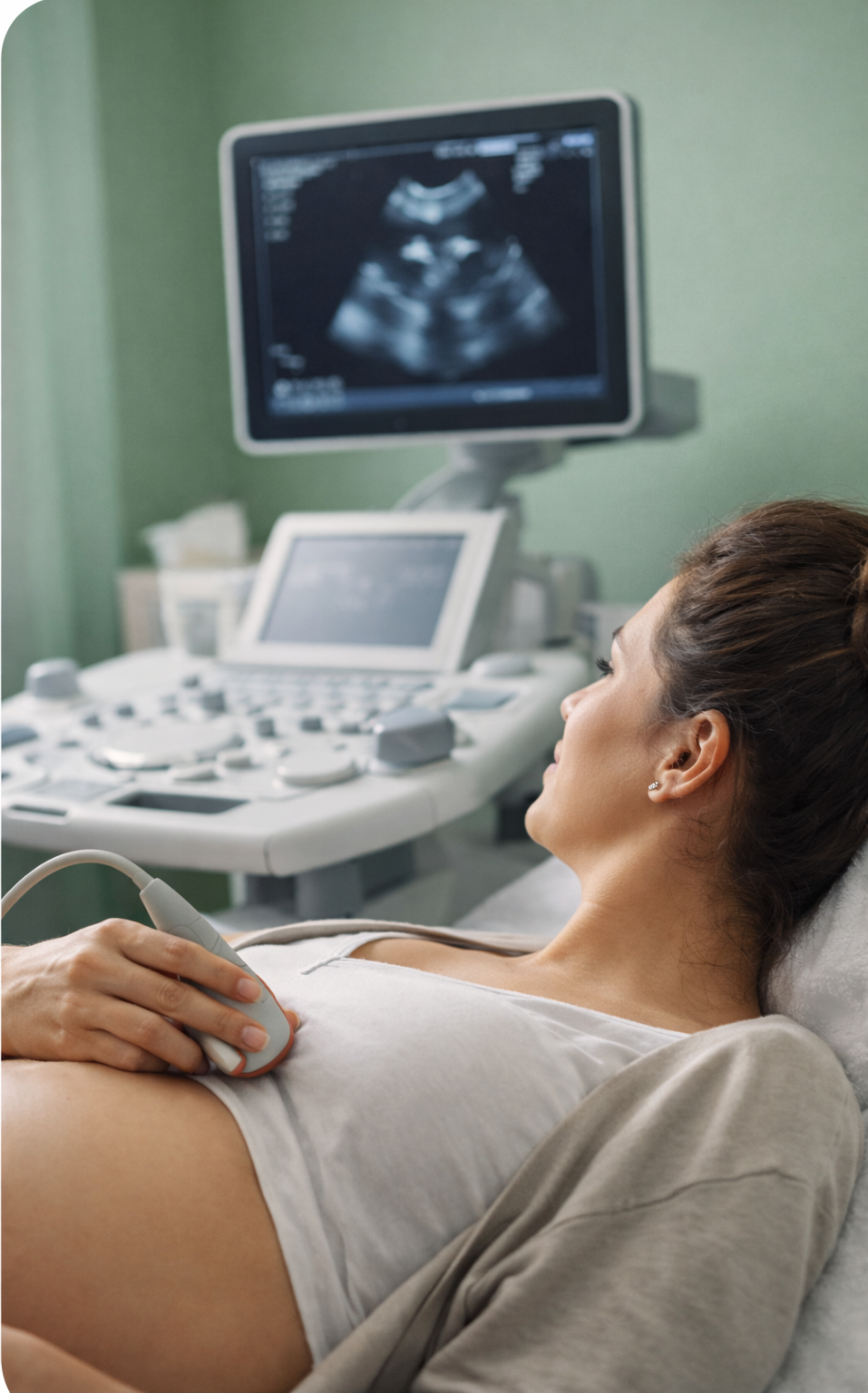
    In the very early stages, sometimes as early as 6 weeks, an ultrasound scan can help confirm:

    • That the pregnancy is located in the uterus
    • That early development appears appropriate for gestational age
    • That there are no immediate concerns requiring closer monitoring

    While not all issues can be predicted or prevented, early consultant-led scanning allows potential concerns to be identified sooner rather than later, when options and outcomes are often broader.

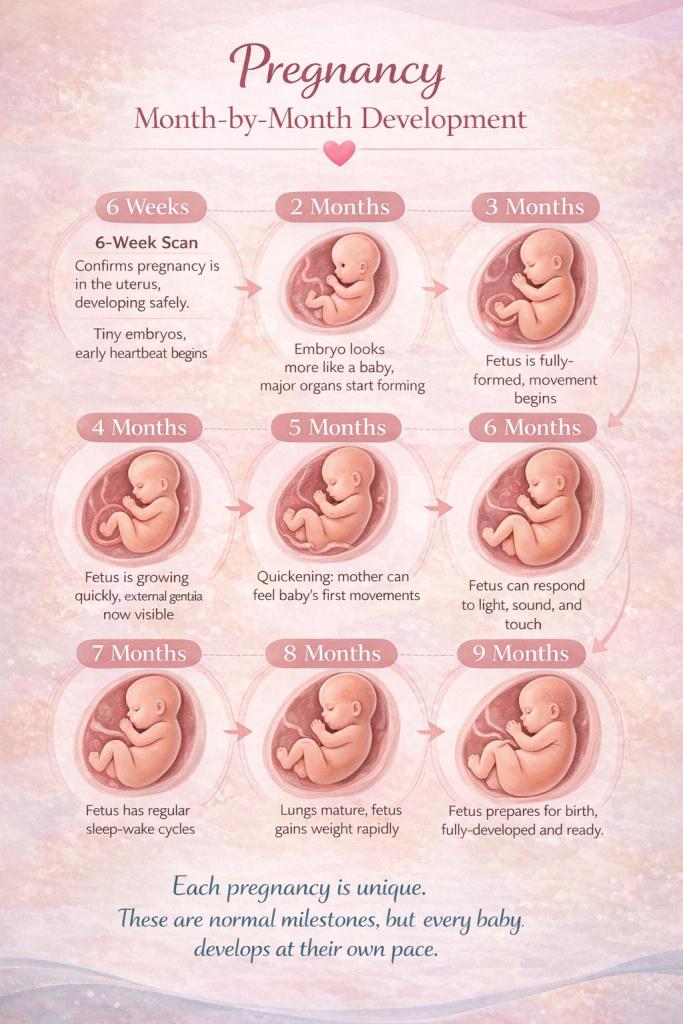
    As pregnancy progresses, the baby’s development continues to change rapidly each month. Ongoing monitoring by experienced clinicians can help ensure that growth and development remain on track, and that any emerging concerns are recognised at an early stage.

    Pregnancy month-by-month development illustration used by Phoenix Women’s Health Clinic to explain how a baby changes throughout pregnancy and why early scans matter.
    Understanding how a baby develops month by month helps explain why consultant-led scans and early pregnancy assessment matter throughout pregnancy.

    What Consultant-Led Private Pregnancy Care Typically Includes

    Private pregnancy care varies, but commonly includes:

    Consultant-Led Ultrasound Scans

    Scans performed and interpreted by experienced medical consultants, providing detailed insight rather than screening alone.

    In-Depth Medical Consultations

    Time to discuss symptoms, scan findings, previous pregnancies, medical history, or emotional concerns — without feeling rushed.

    Ongoing Monitoring

    Support tailored to your stage of pregnancy, recognising that development changes significantly from one month to the next.

    Calm, Discreet Clinical Environment

    Many women value a quieter, more personal setting where continuity and privacy are prioritised.


    Combining NHS and Private Pregnancy Care

    It is increasingly common for women in Watford and North West London to combine NHS maternity care with private, consultant-led pregnancy support.

    This approach allows women to:

    • Remain fully within NHS maternity pathways
    • Access senior medical expertise earlier
    • Gain reassurance between routine NHS milestones
    • Feel more informed and confident throughout pregnancy

    Private pregnancy care works alongside, not instead of, NHS services.


    Choosing Pregnancy Care Locally in Watford

    When exploring private pregnancy care, women often look for:

    • Consultant-led medical expertise
    • Clear, calm explanations
    • Early access to scans when needed
    • Continuity and personalised attention
    • A supportive, respectful approach

    Feeling listened to and reassured by experienced clinicians can make a meaningful difference to how pregnancy is experienced.


    A Gentle Final Thought

    Pregnancy is not only a medical journey, but a deeply personal one. Wanting early reassurance or specialist input does not mean something is wrong — it often reflects care, awareness, and responsibility.

    If you are pregnant and feel that consultant-led scans, early assessment, or ongoing medical reassurance would help you feel calmer and more confident, exploring private pregnancy care alongside your NHS pathway may be a supportive step.

  • Aesthetic & Regenerative Gynaecology: Supporting Comfort, Function, and Intimate Health

    Aesthetic & Regenerative Gynaecology: Supporting Comfort, Function, and Intimate Health

    There are some changes in a woman’s body that are rarely talked about openly.

    Not because they are rare — but because they feel too personaltoo embarrassing, or are often dismissed as “just part of getting older”, childbirth, or menopause.

    Yet for many women, these changes quietly affect everyday comfort, confidence, intimacy, and quality of life.

    Many women notice changes but don’t talk about them

    You may have experienced changes in your intimate health — such as reduced tightness, dryness, or discomfort — but felt unsure whether this is normal or whether anything can be done.

    These concerns are common, particularly after childbirth or during hormonal changes, yet they are often left unaddressed. What we want to tell you here is that you are not alone. And importantly, you do not have to just live with it any more.


    When intimate discomfort becomes part of daily life

    Many women tell us they started noticing small changes at first, like:

    • Persistent vaginal dryness or irritation
    • Discomfort during intimacy
    • A feeling of laxity or reduced tone
    • Recurrent infections or increased sensitivity
    • A sense that their body no longer feels “quite right”

    Often these changes happen gradually — after childbirth, during perimenopause or menopause, or following hormonal shifts. Because they develop slowly, many women normalise them, even when they are affecting confidence, relationships, or wellbeing.

    Aesthetic and regenerative gynaecology exists precisely for this reason: to restore comfort, function, and tissue health — not to change who you are, but to help you feel like yourself again.

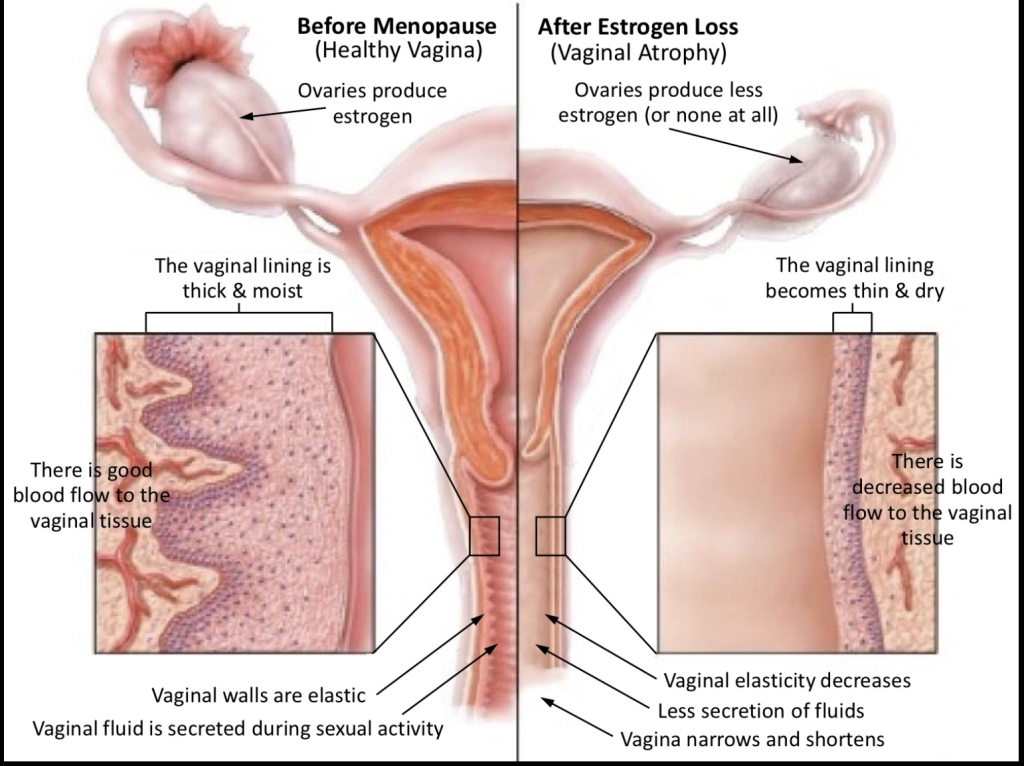
    Vaginal tissue changes before and after menopause showing reduced elasticity and hydration
    At Phoenix Women’s Health, we see many women affected by hormonal changes around menopause. Our aesthetic and regenerative gynaecology services are designed to gently support vaginal tissue health, comfort and confidence.

    A gentle, medical approach — not cosmetic vanity

    Despite the name, aesthetic & regenerative gynaecology is not about vanity or cosmetic trends.

    It is a medical, evidence-based approach focused on improving tissue health, elasticity, hydration, and function of the intimate area using advanced technologies — most commonly medical CO₂ laser therapy.

    The laser works by gently stimulating the body’s own regenerative processes:

    • encouraging collagen production
    • improving blood flow
    • supporting healthier vaginal tissue
    • restoring elasticity and natural lubrication

    All without surgery, injections, or lengthy recovery.

    Most women describe the procedure as quick, discreet, and far more comfortable than they expected. And what really matters here is that many patients begin to notice significant improvement even after the first session already, with further enhancement over time.

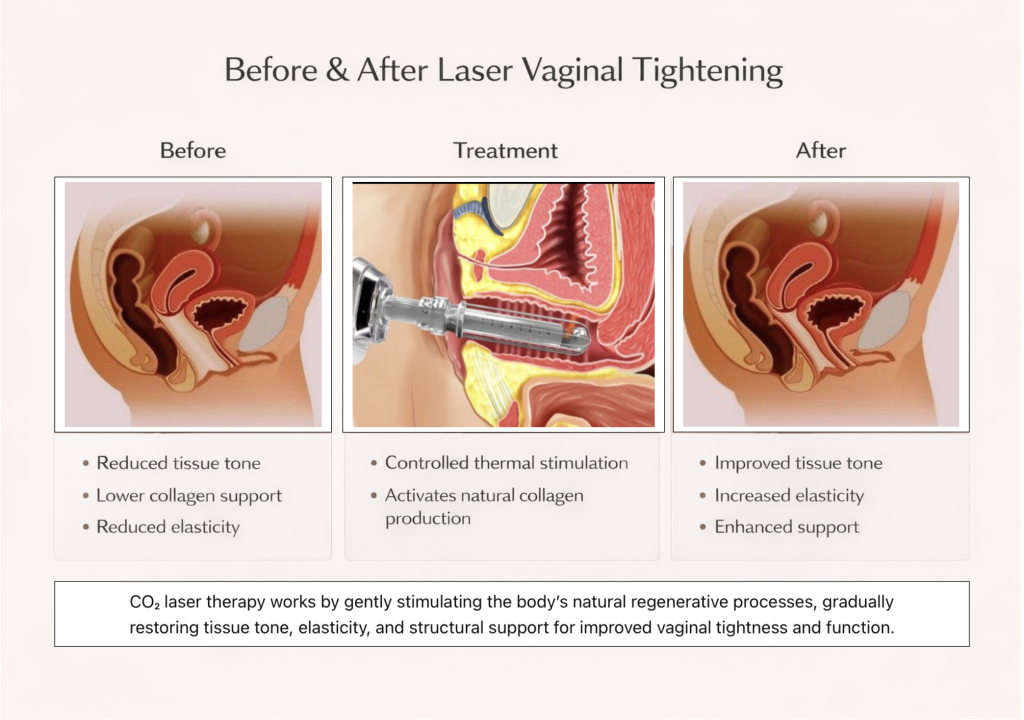
    Illustration of vaginal tightening treatment results before and after CO2 laser therapy
    At Phoenix Women’s Health, medical CO₂ laser technology is used as part of our aesthetic and regenerative gynaecology services to support vaginal tissue health, comfort and function.

    What women often notice after treatment

    Every woman’s body is different, but many report improvements such as:

    • Greater daily comfort and reduced irritation
    • Improved vaginal hydration
    • Better tissue tone and elasticity
    • Increased confidence during intimacy
    • A feeling of restored balance and wellbeing

    Importantly, this is not about chasing perfection — it is about comfort, confidence, and feeling at ease in your own body again.

    Discreet care, led by experienced clinicians

    We understand how sensitive these concerns can feel.

    At Phoenix Women’s Health, all aesthetic and regenerative gynaecology treatments are carried out by experienced medical professionals, in a calm, private, and respectful clinical environment.

    There is no pressure, no expectation, and no assumption.
    Your consultation is simply a space to talk openly, ask questions, and understand whether this approach is right for you.

    Sometimes, just knowing that solutions exist brings relief.

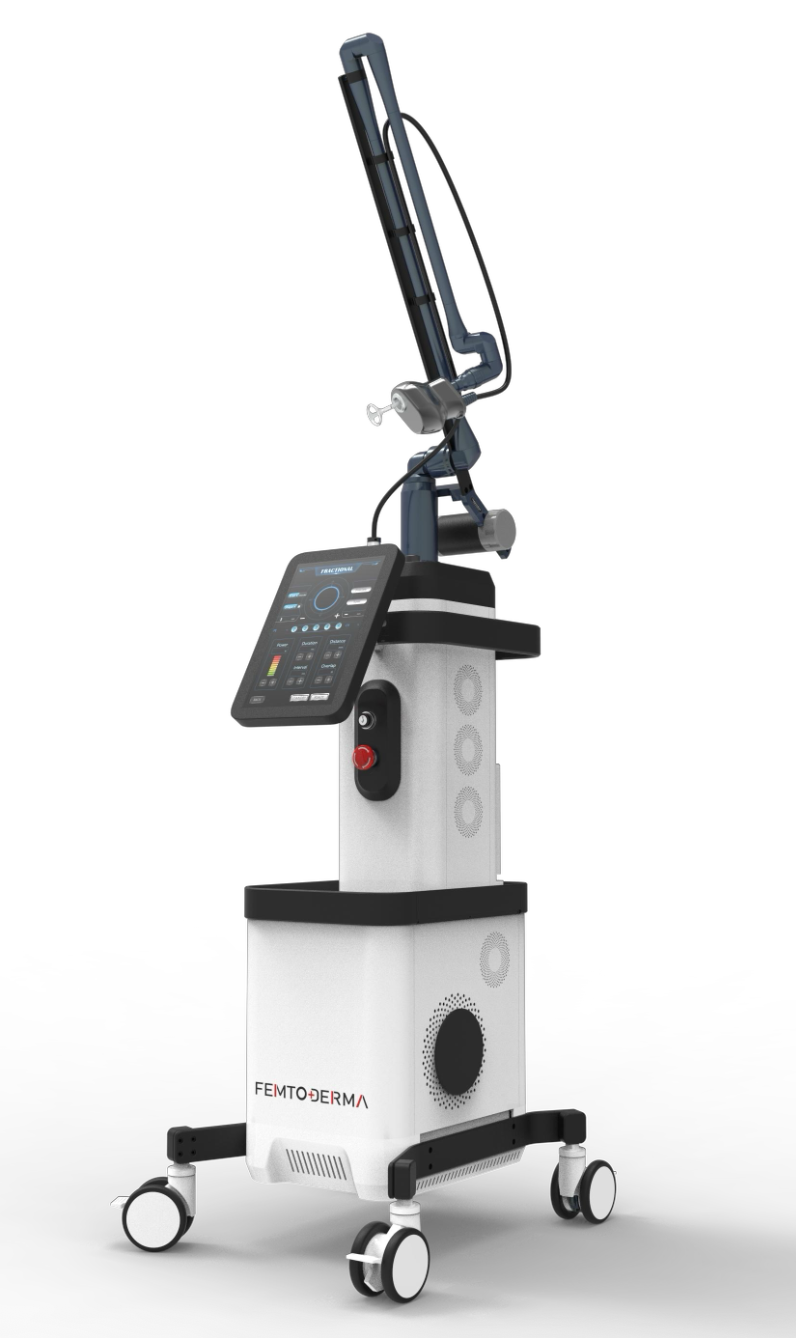
    Medical CO₂ laser machine used for aesthetic and regenerative gynaecology treatments at Phoenix Medical Watford.
    This medical CO₂ laser machine is used at Phoenix Women’s Health as part of our aesthetic and regenerative gynaecology services, offering a non-surgical approach to supporting intimate tissue health, comfort and function.

    Is this something you should explore?

    You may wish to consider aesthetic & regenerative gynaecology if:

    • You feel discomfort that has not improved with creams or hormones
    • Intimacy has become uncomfortable or emotionally difficult
    • Menopause or childbirth has changed how your body feels
    • You want a non-surgical option to support intimate health
    • You simply want to feel more confident and comfortable again

    A conversation is often the first — and most important — step.

    Taking the next step — gently and on your terms

    You deserve care that acknowledges the whole of you — not just symptoms.

    If you are curious, unsure, or simply want to understand your options, we invite you to book a confidential consultation with our women’s health team.

    No obligation. No judgement. Just professional, compassionate guidance.

    Because intimate comfort is not a luxury — it is part of your health.